Casa Jesús y Ulrike
Project Status: Completed
Project Year: 2024
Use: Residential
Client: Private
Area: 435 m2
Location: Malinalco, State of Mexico
Design: MCxA
Construction: Taller A
Team: Tridim, Luz + Forma
Context
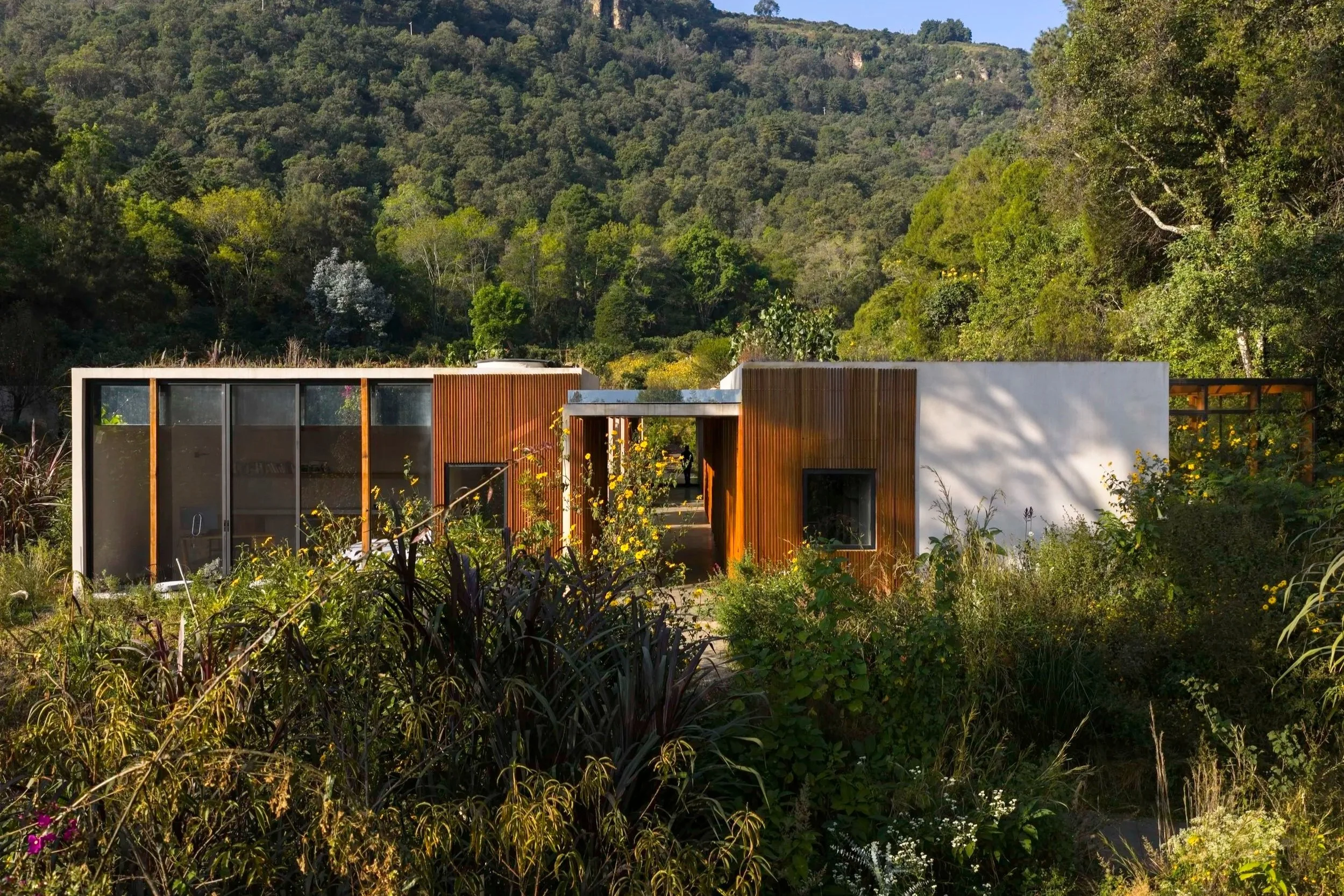
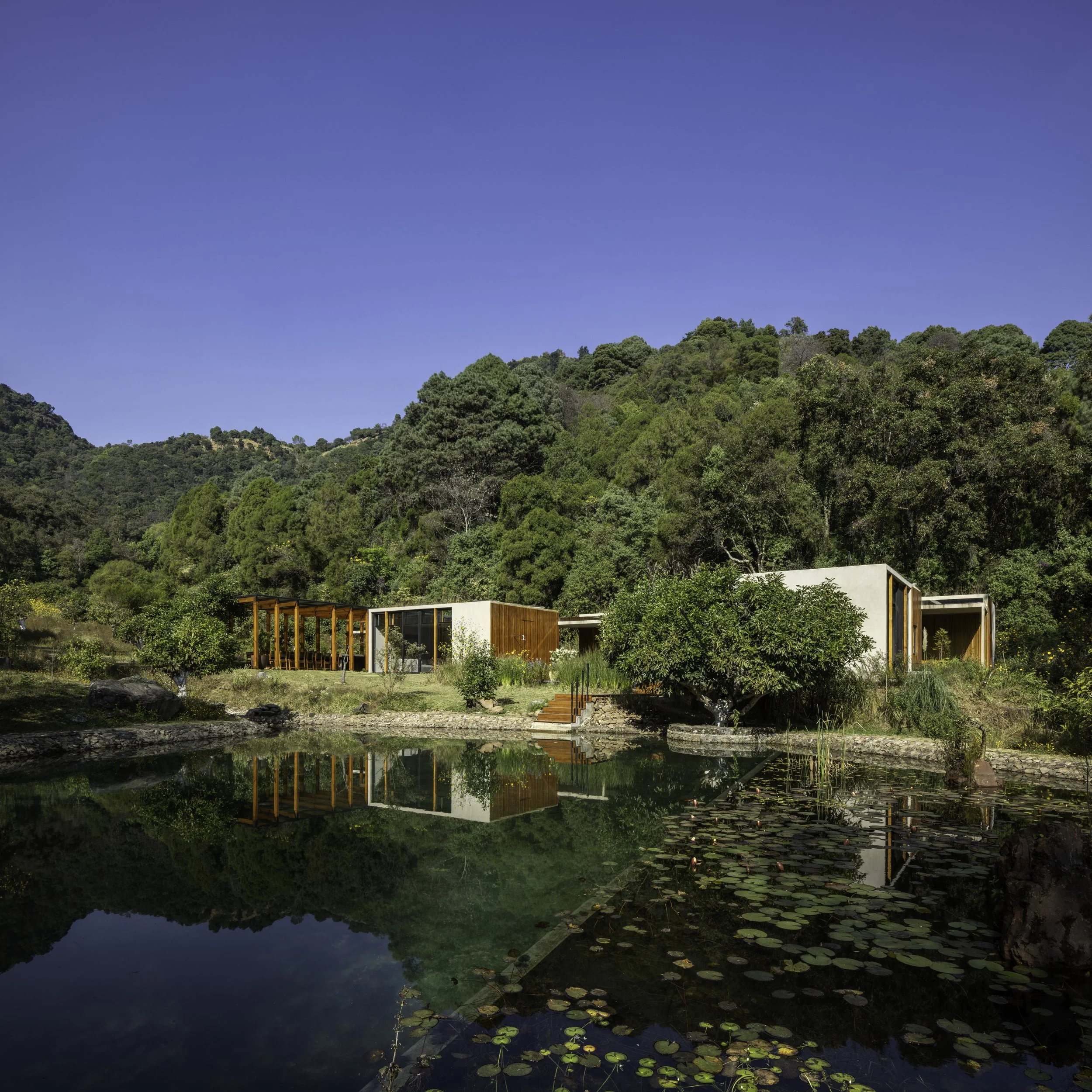
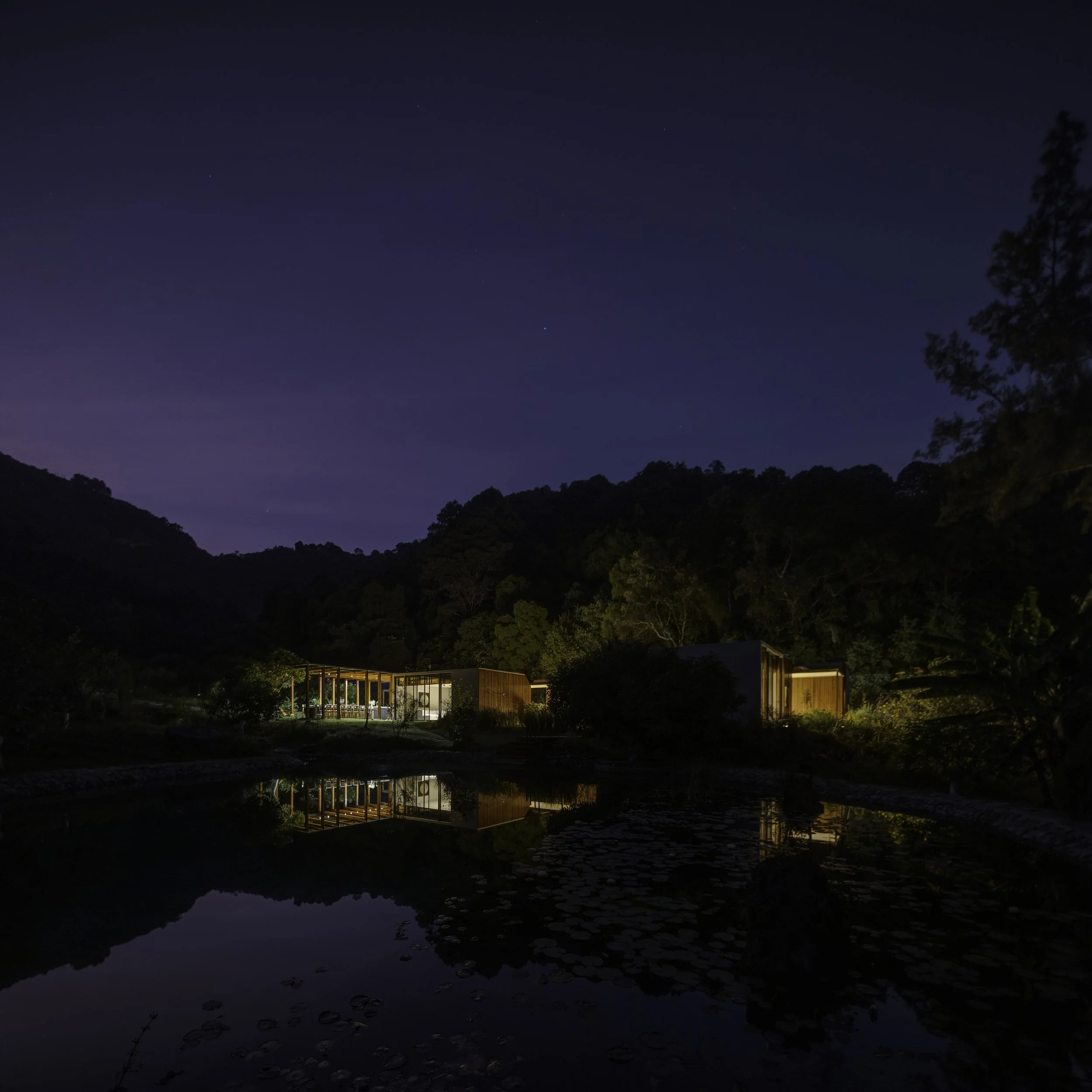
Casa Jesús y Ulrike is not just a retreat—it is a prototype for autonomous living. Nestled in Malinalco's volcanic landscape, this 435 m² residence demonstrates that true sustainability emerges from the rigorous negotiation between architectural ambition and environmental reality.
In an era where buildings are often designed for replacement rather than resilience, MCxA proposes an alternative: architecture as a physical pact with matter. Casa Jesús y Ulrike embodies this philosophy, serving as both a private retreat and a research project on material intelligence.
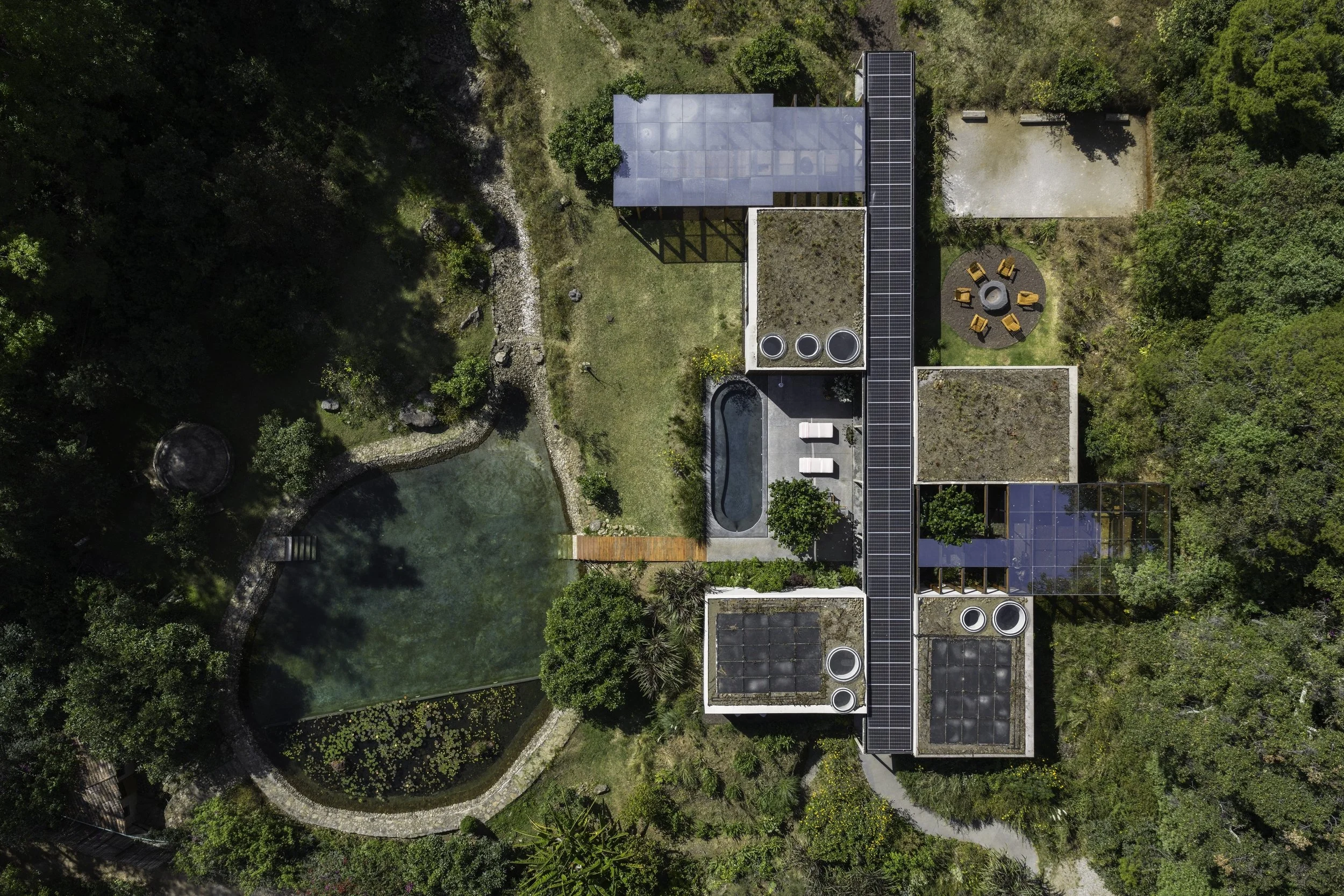
The house operates as an autonomous microcosm—water harvesting, wastewater treatment, solar thermal systems, photovoltaic power, and satellite connectivity combine to create architectural freedom through self-sufficiency. But autonomy here is not about isolation; it is about creating the conditions for future clusters of sustainable communities that can adapt to changing climatic and social realities.
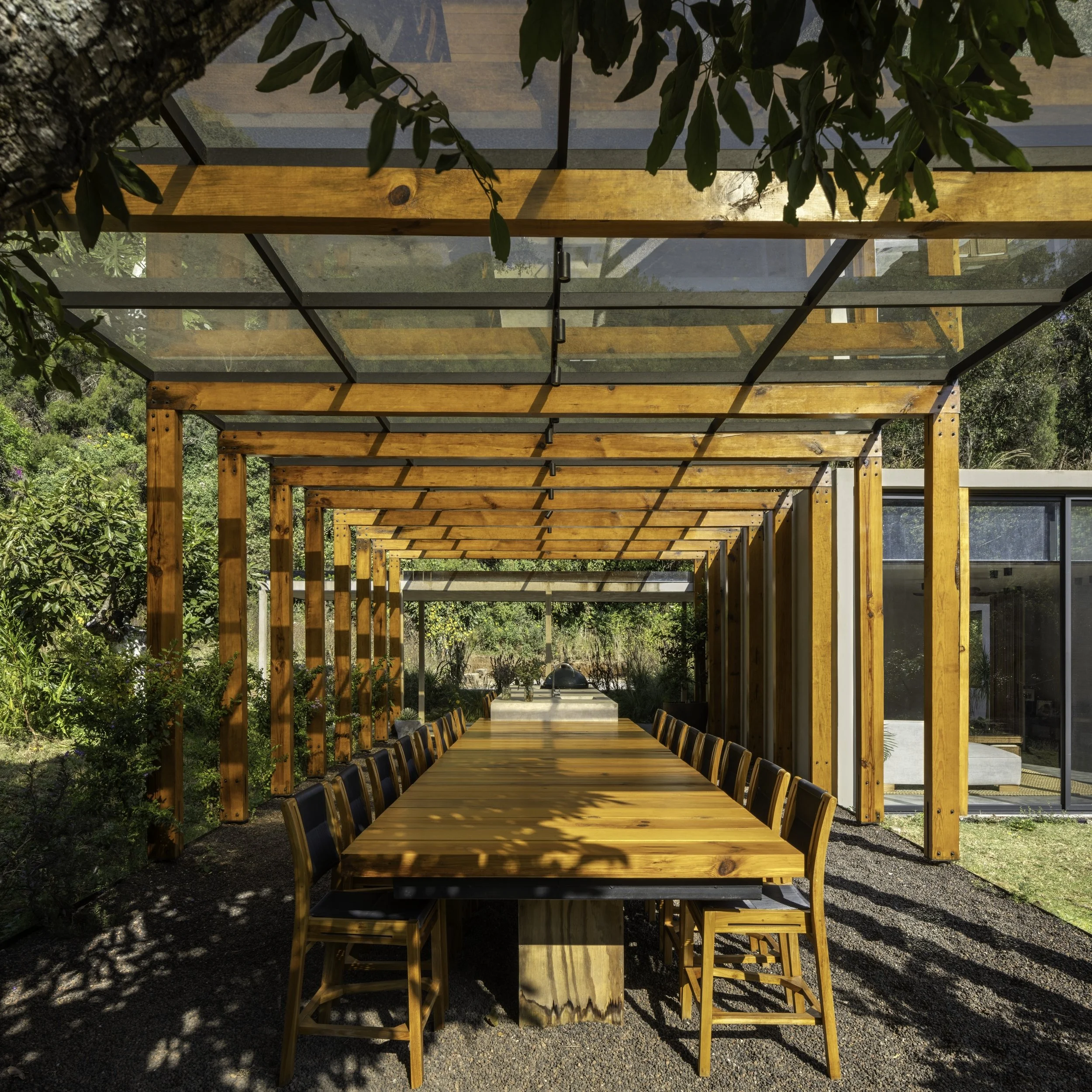
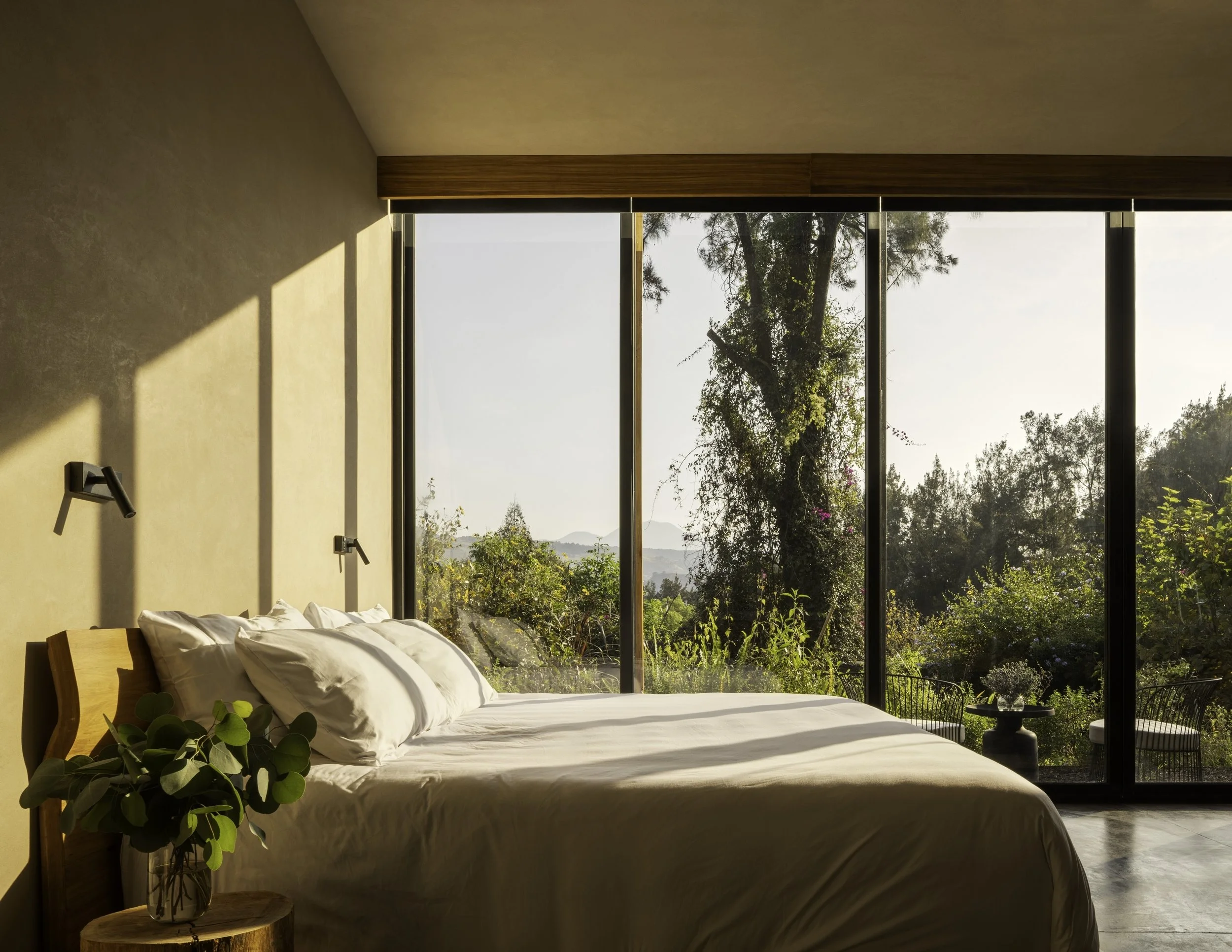
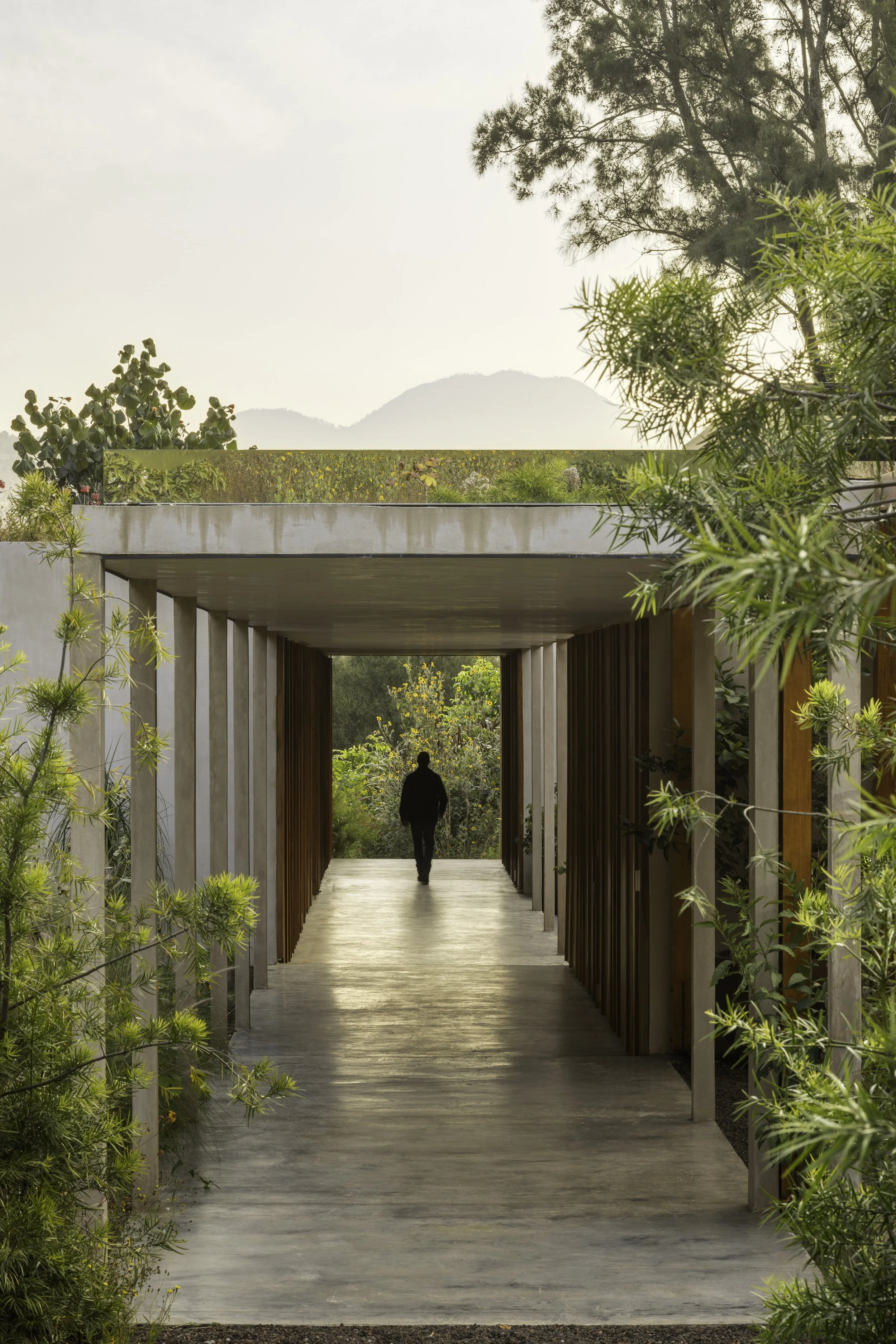
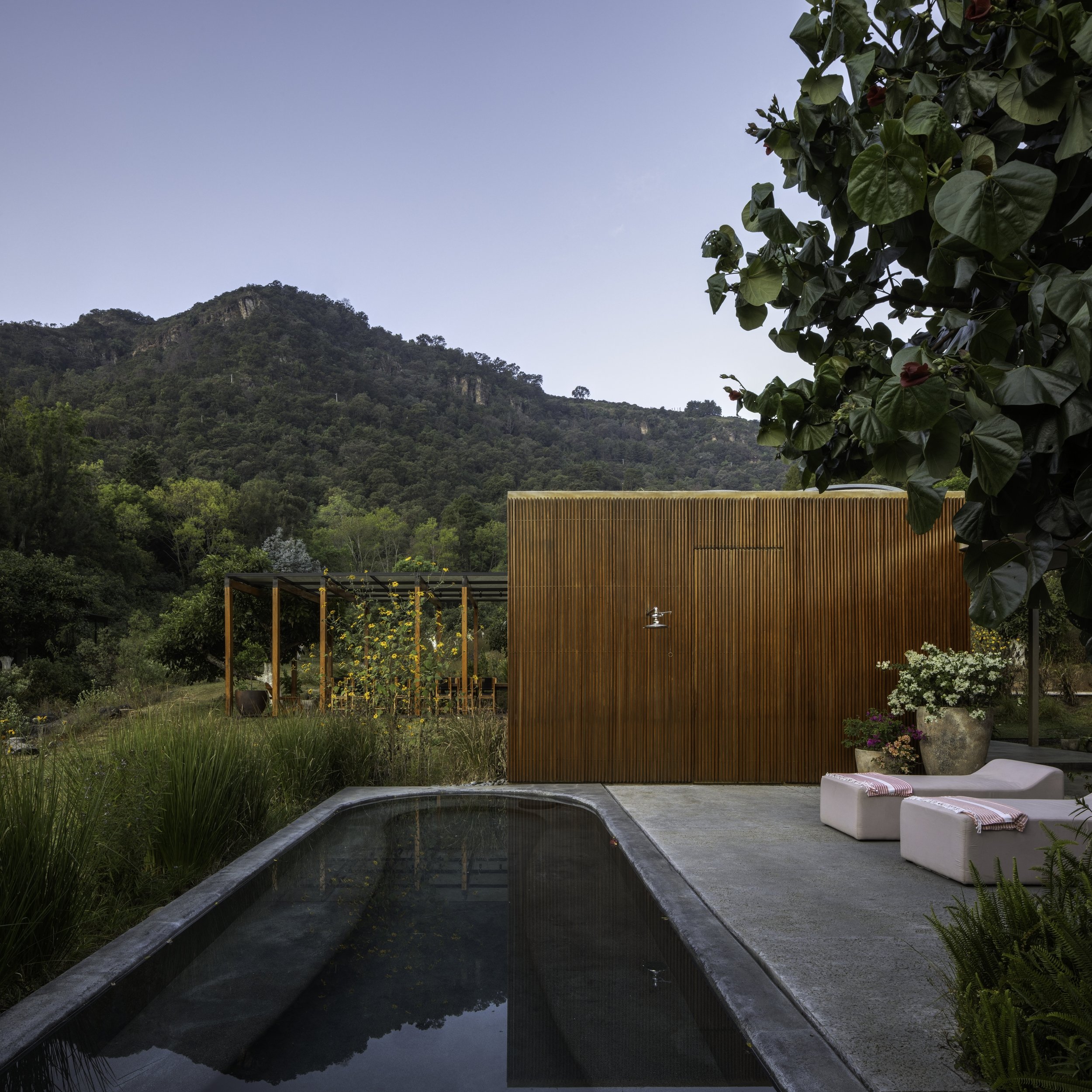
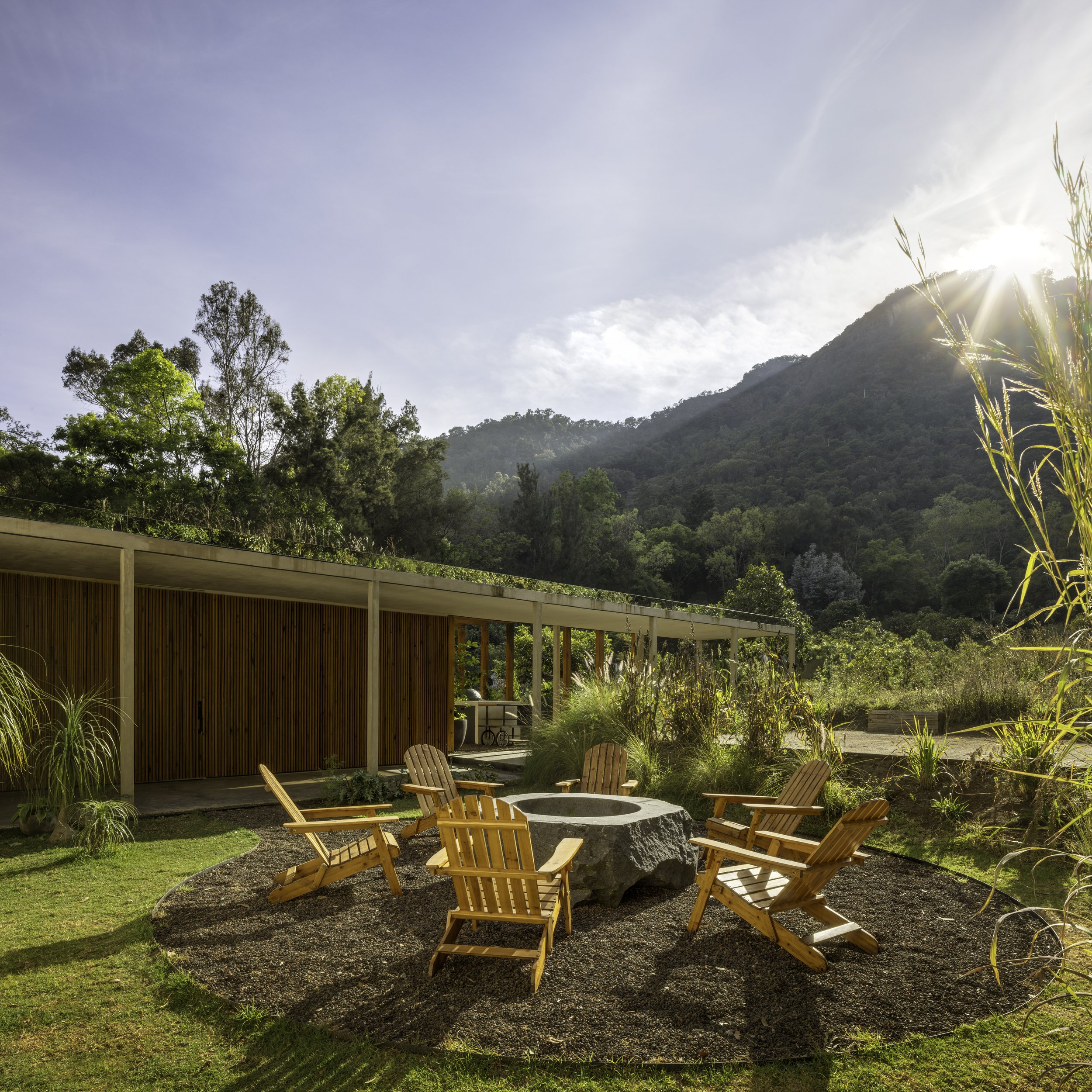
The house's 435 square meters are organized around a central circulation spine that connects four enclosed volumes: master bedroom, guest bedroom, kitchen, and television room. Large terraces with outdoor dining areas, an orchard, and a second terrace overlooking the valley ensure that the residents remain in constant dialogue with the landscape throughout the day.
Every material decision was interrogated through the lens of time: How will it age? How will it be repaired? Who will maintain it? What happens when systems fail? These questions transform materiality from aesthetic choice into operational strategy.
Design Principles
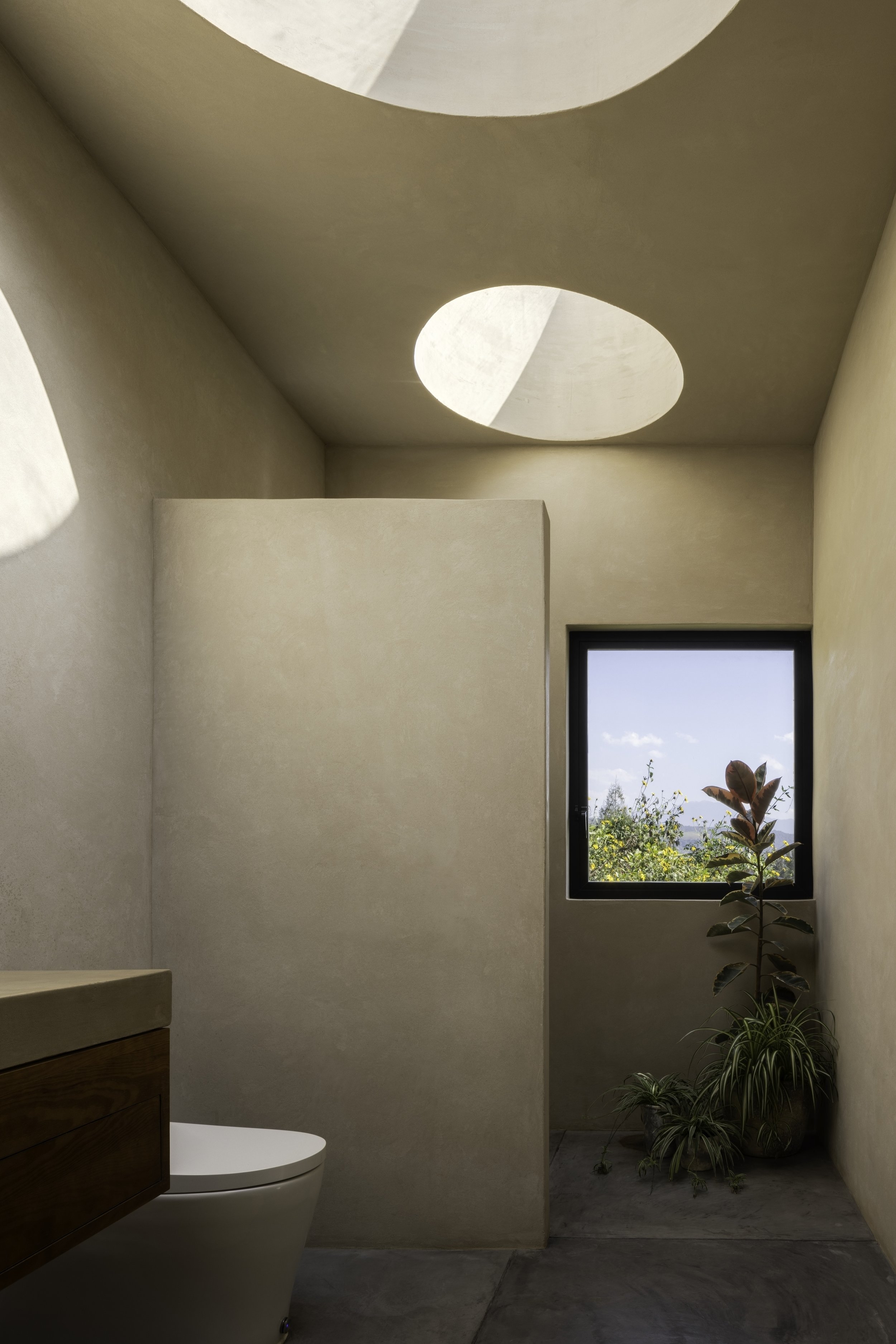
The future is neither purely high-tech nor exclusively traditional—it is synthesis. Casa Jesús y Ulrike demonstrates that traditional materials carry deep climatic intelligence through thermal mass, natural ventilation strategies, and embedded repair cultures. Technology provides simulation tools, AI-assisted design optimization, rapid material testing, and sophisticated energy management.
The real innovation lies in understanding the complete life cycle of every element: how it will age under UV exposure and seasonal temperature swings, how local craftspeople will repair it, who will maintain it when the original builders are gone, what happens when inevitable system failures occur, and how the building can remain useful as climatic and social conditions shift.
Casa Jesús y Ulrike stands as a built manifesto: materials are not static, they age, adapt, or fail—in dialogue with ecological time, climatic time, and social time. A building that cannot adapt becomes waste, even if it was labeled 'sustainable' on day one. True architectural responsibility means creating structures that negotiate gracefully with the passage of time, maintaining their utility and dignity across decades of change.