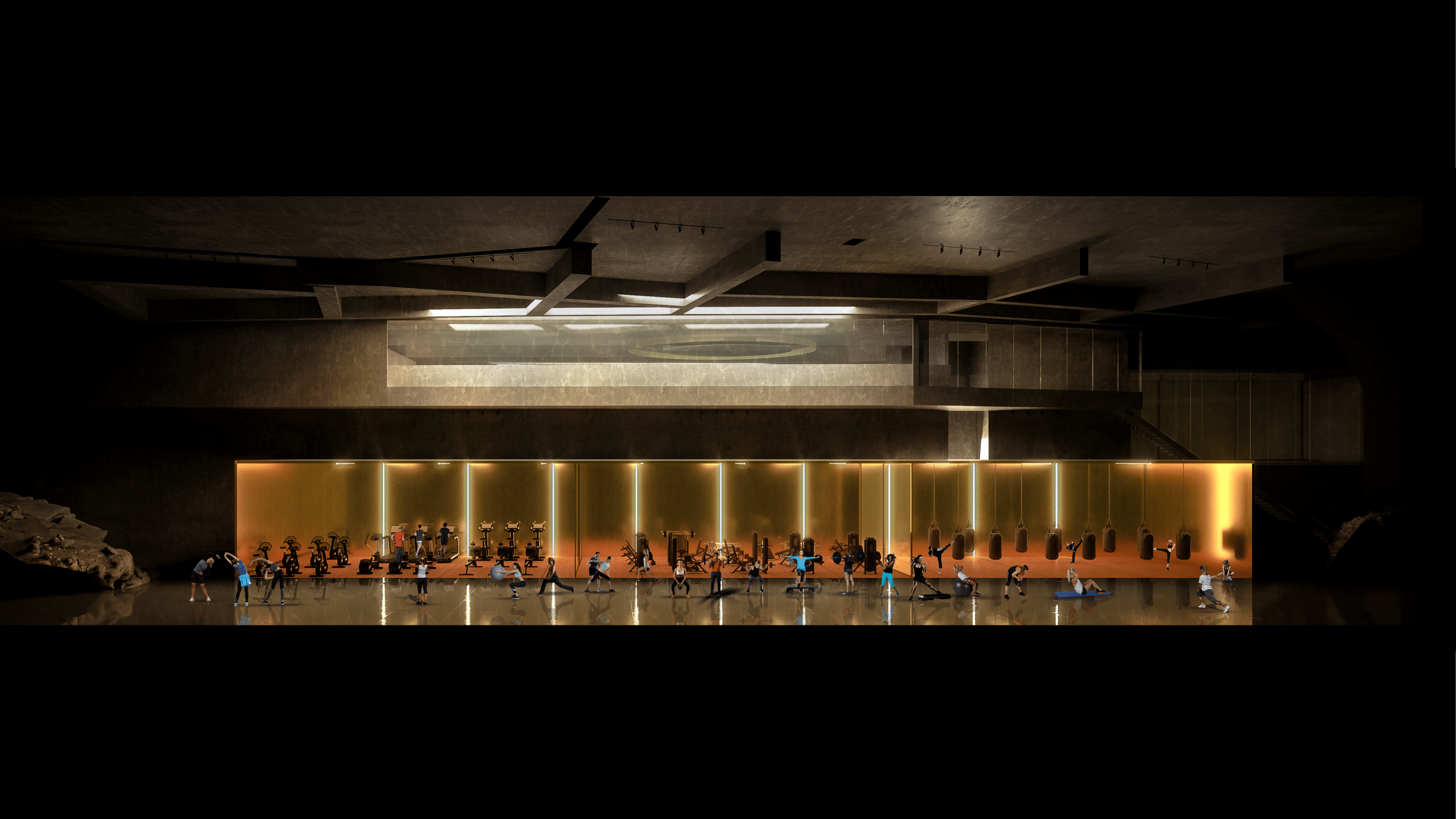
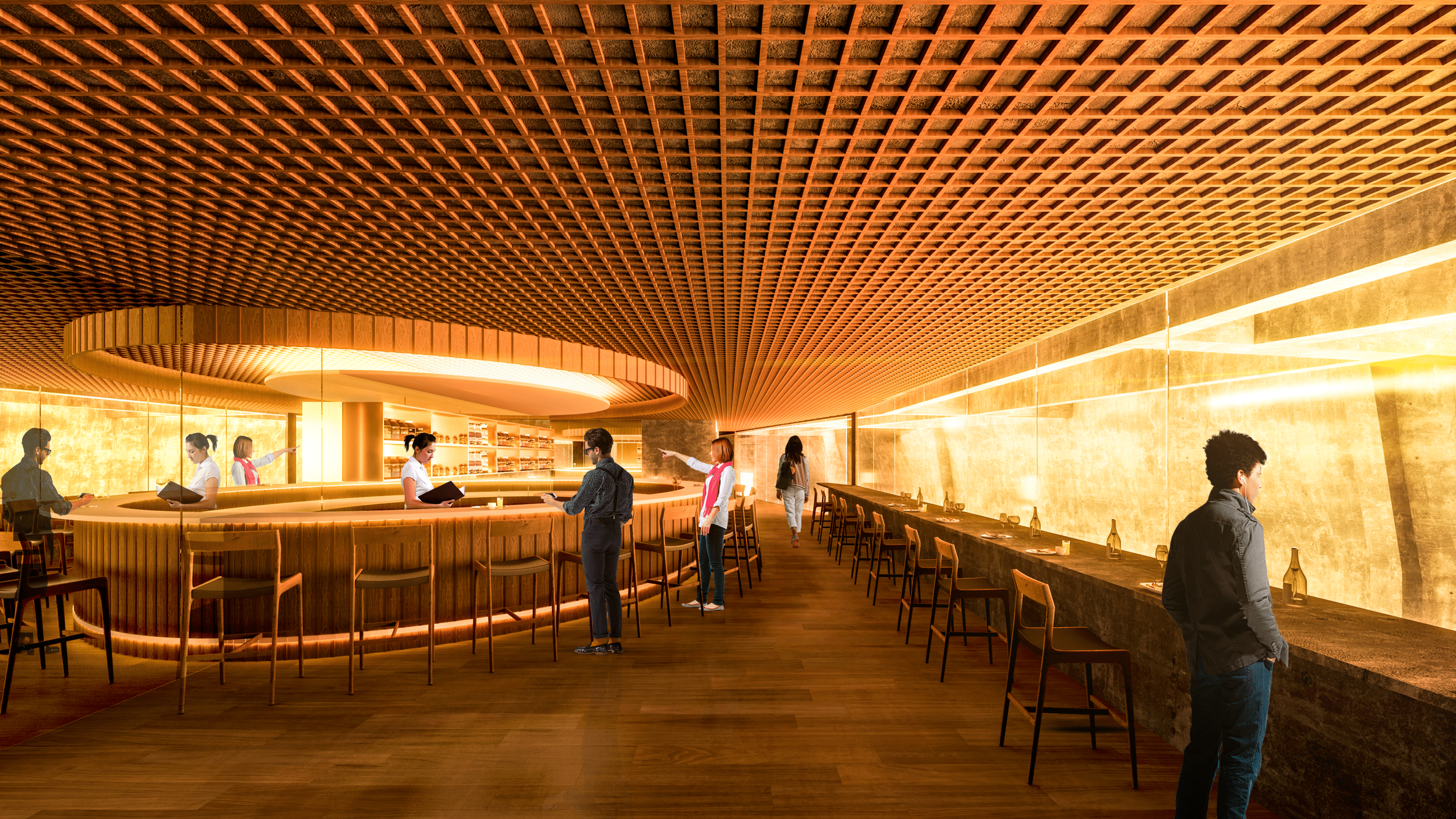
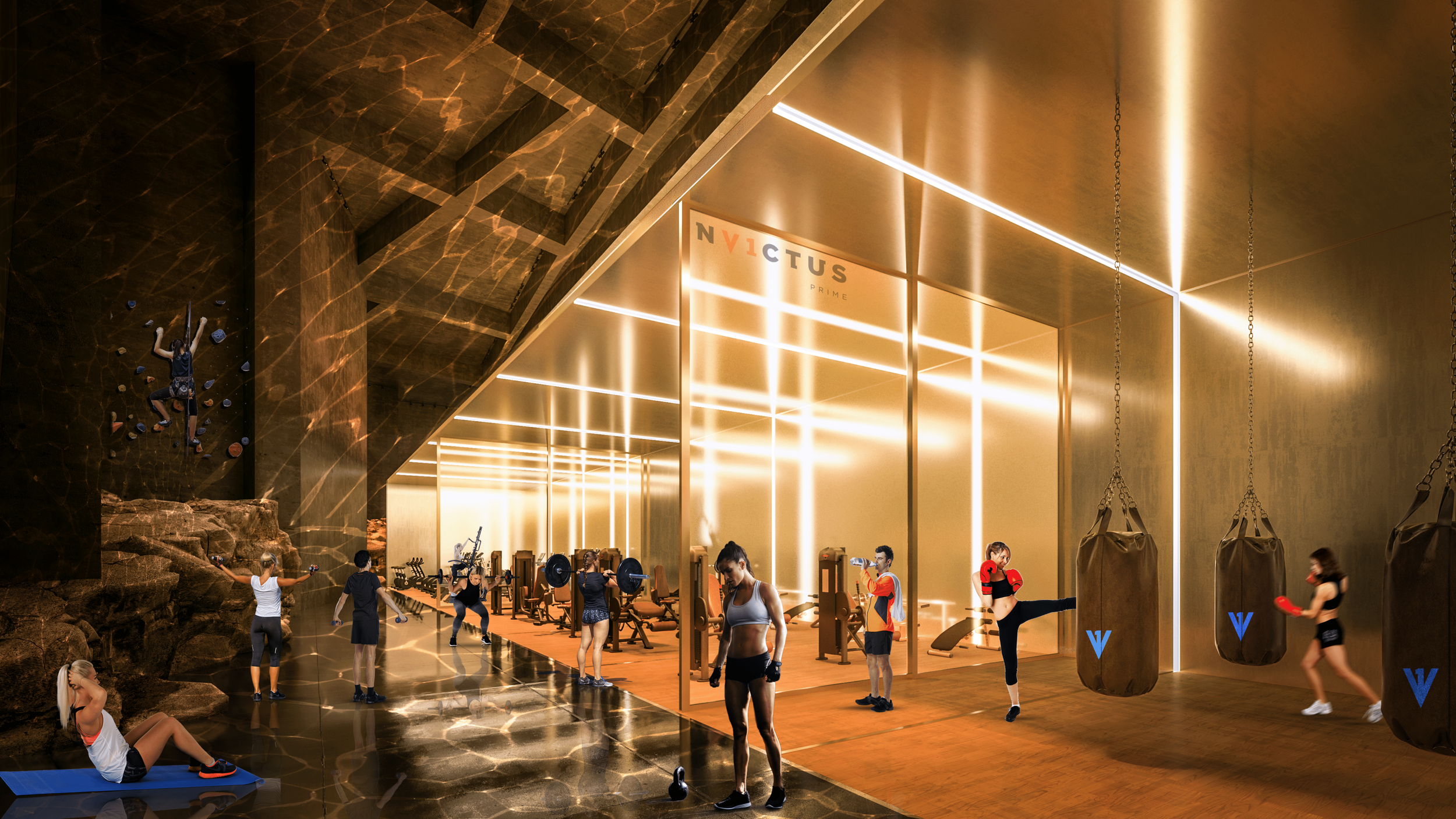
Invictus
Project Status: Completed
Project Year: 2020
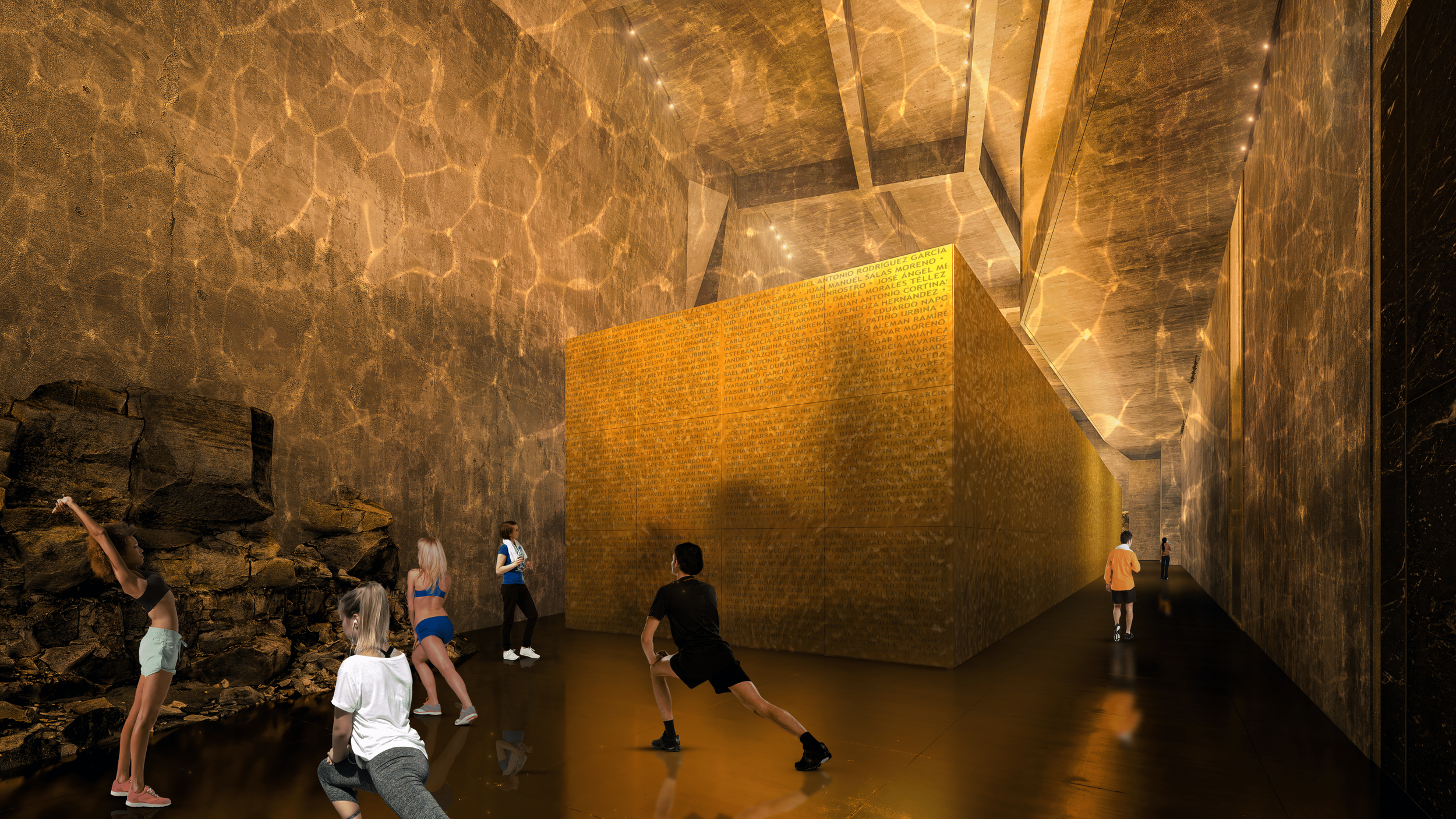
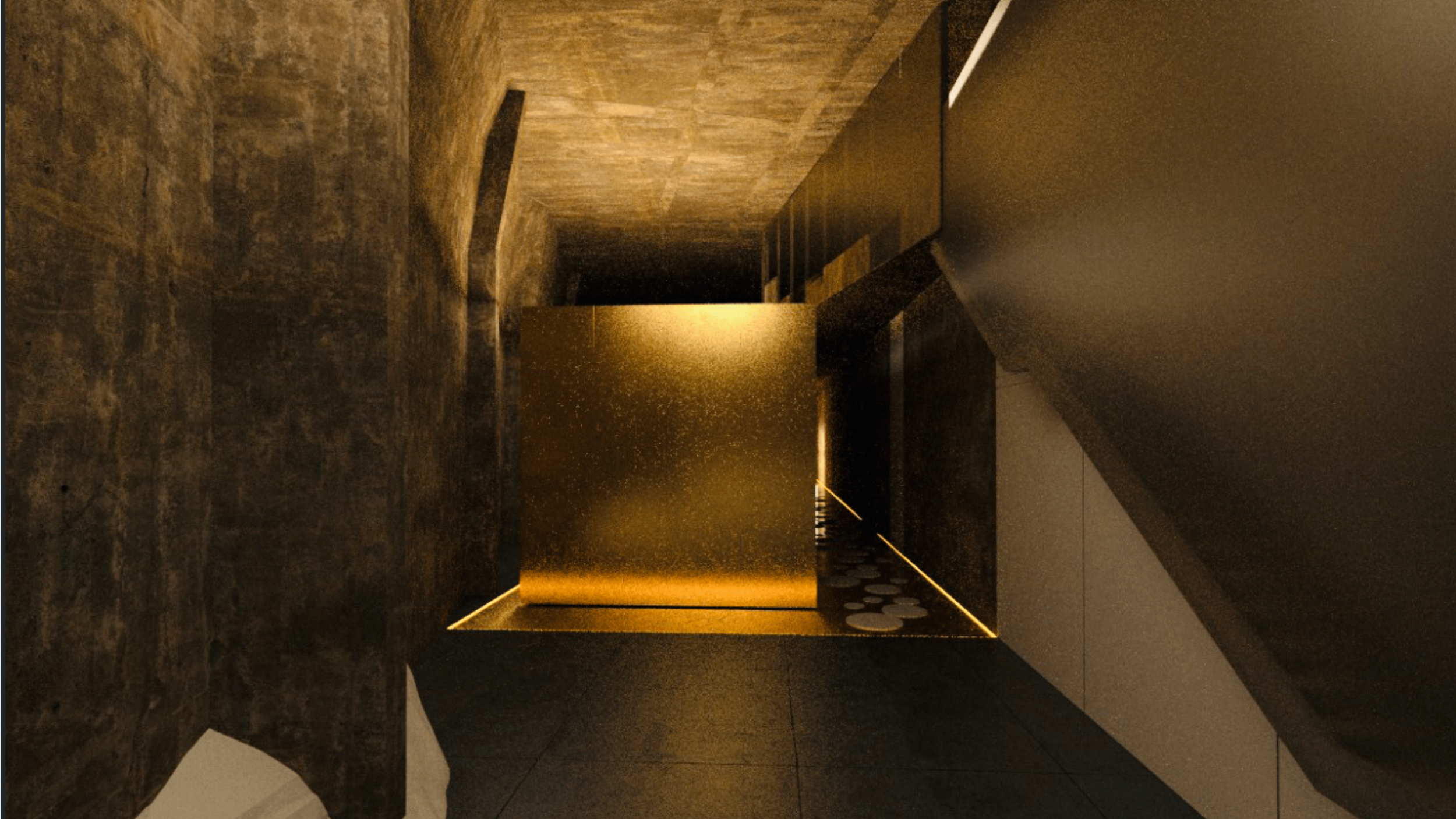
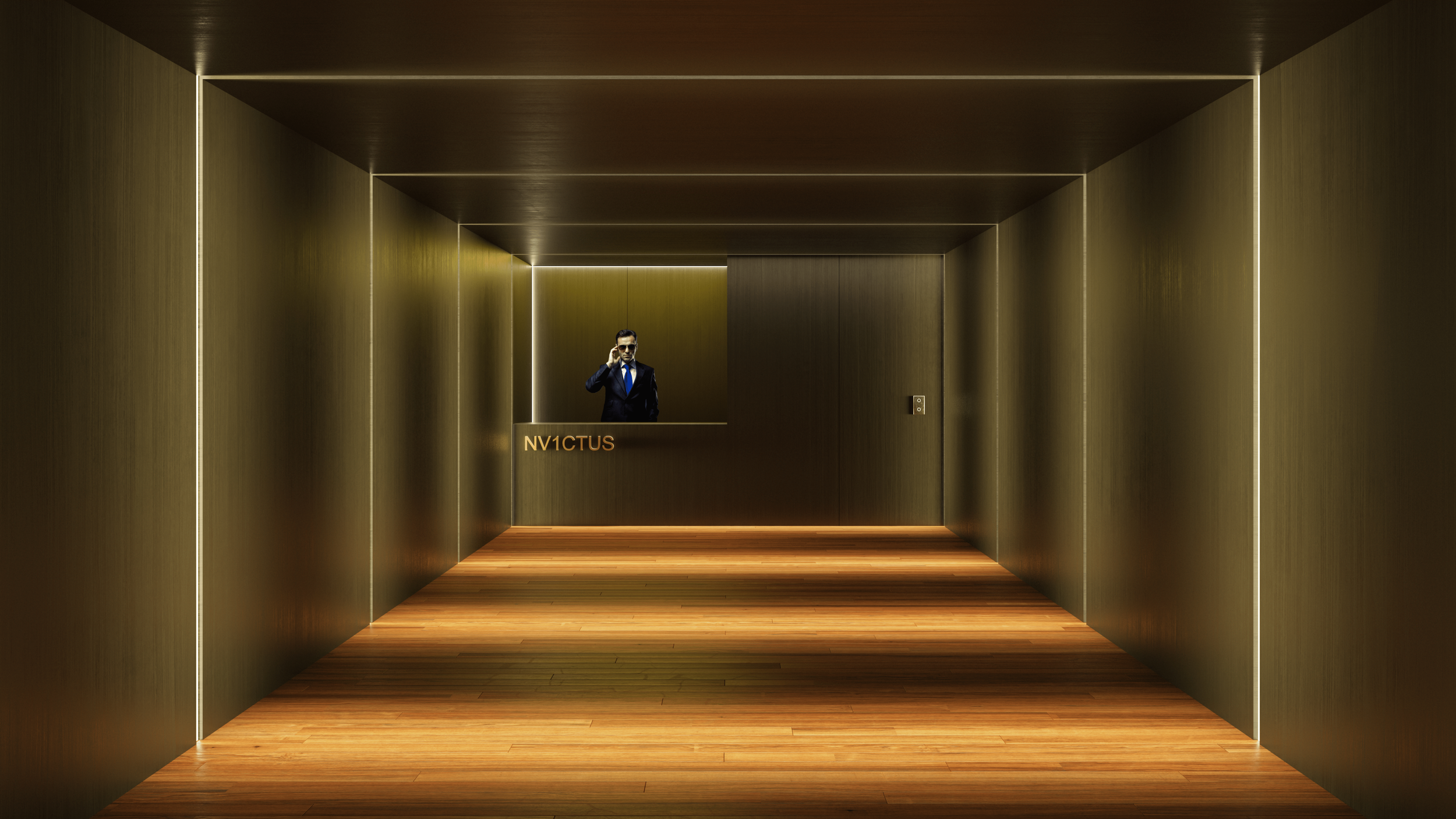
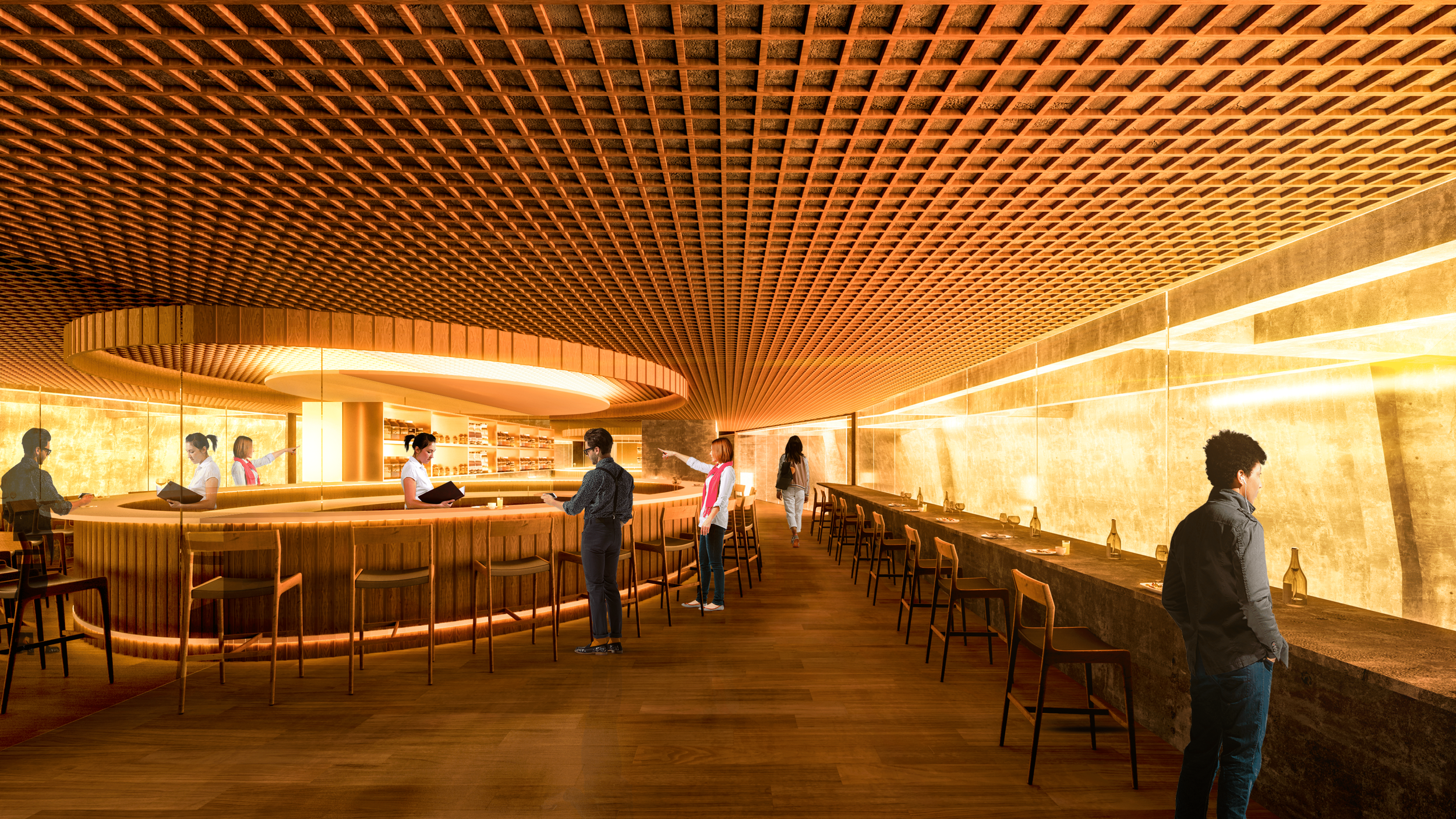
Use: Sports Center
Area: 1,618 m2
Location: Mexico City, Mexico
Design: MCxA
Context
The memorial to Ruth Bader Ginsburg emerges at a time when public trust in leadership, institutions, and moral authority feels increasingly fragile. In such a climate, commemoration cannot be nostalgic. It must be active. Honoring Ginsburg is therefore not a retrospective gesture, but a civic necessity—an affirmation that progress is built not on spectacle or force, but on discipline, clarity, and sustained ethical conviction.
Ginsburg’s legacy is especially urgent today not only because of what she achieved, but because of how she achieved it. She advanced equality through strategic patience, rigorous legal reasoning, and a precise understanding of the systems she sought to transform. Her work demonstrates that dissent, when grounded in intellect and principle, is not disruption—it is construction. It is a method for building future justice within present constraints.
Situated within the civic landscape of Brooklyn, the memorial operates in dialogue with its surroundings—urban, democratic, and monumental. It is conceived not as a distant icon, but as a participatory structure that engages the public realm continuously. In a city defined by movement, plurality, and layered histories, the monument reflects the idea that justice, too, is cumulative and evolving.
Design Principles
The central architectural metaphor is the door. A door is neither wall nor void; it is a threshold—an instrument of transition. Each door represents a decisive moment in Ginsburg’s life when access expanded, precedent shifted, and space was created for others. The memorial frames justice not as a fixed monument, but as a series of openings.
Seven doors trace a spatial and conceptual sequence: Access Without Permission—entry into institutions not designed to include her, where presence itself became change; Institutional Authority—the transformation of access into power within the Supreme Court; The Power of Dissent—the articulation of minority opinions that would shape future majorities; and An Open Legacy—a final, permanently open threshold symbolizing enduring expansion of dignity and possibility. This progression embodies resistance evolving into structural change, and legacy as something that remains permeable rather than sealed.
The doors are not symbolic artifacts to be observed at a distance. They are spatial experiences. To pass through them is to enact the idea that progress is cumulative—that each opening alters the space that follows. Movement becomes meaning.
The memorial is conceived as an inhabitable structure rather than an isolated sculptural object. It operates at an architectural scale calibrated to the Brooklyn skyline—assertive yet not overpowering. Its perception shifts with light, movement, and perspective, reinforcing that justice, like architecture, is relational and never static.
A monument in the public realm must serve more than memory—it must serve people. Open at all hours, free of barriers, and accessible to all, the memorial functions as an open-air civic institution. It offers symbolic resonance while also providing shared space for gathering, reflection, and passage.
Ultimately, the monument does not elevate a singular figure above society. It honors an ongoing process within it. Dignity is not granted—it is opened. By designing thresholds that remain permanently open, the project proposes that architecture can embody a civic ethic: that when doors are held open, they reshape not only space, but the future itself.